Ready to plan your holiday but stuck on when the best time to visit Switzerland is?
Although we believe any time is the best time, Switzerland has something special to offer in every season. The best time to visit depends on what you’d love to experience—whether that’s snowy mountain days, summer lake swims or colourful autumn walks.
In this guide, we’ll cover:
- What Switzerland feels like in each month
- The best times for hiking, lakes, snow and sightseeing
- Festivals and local traditions, particularly around Lucerne
- Seasonal closures, crowds and practical planning tips
- Our recommendations for choosing your travel dates
When is the best time to visit Switzerland?
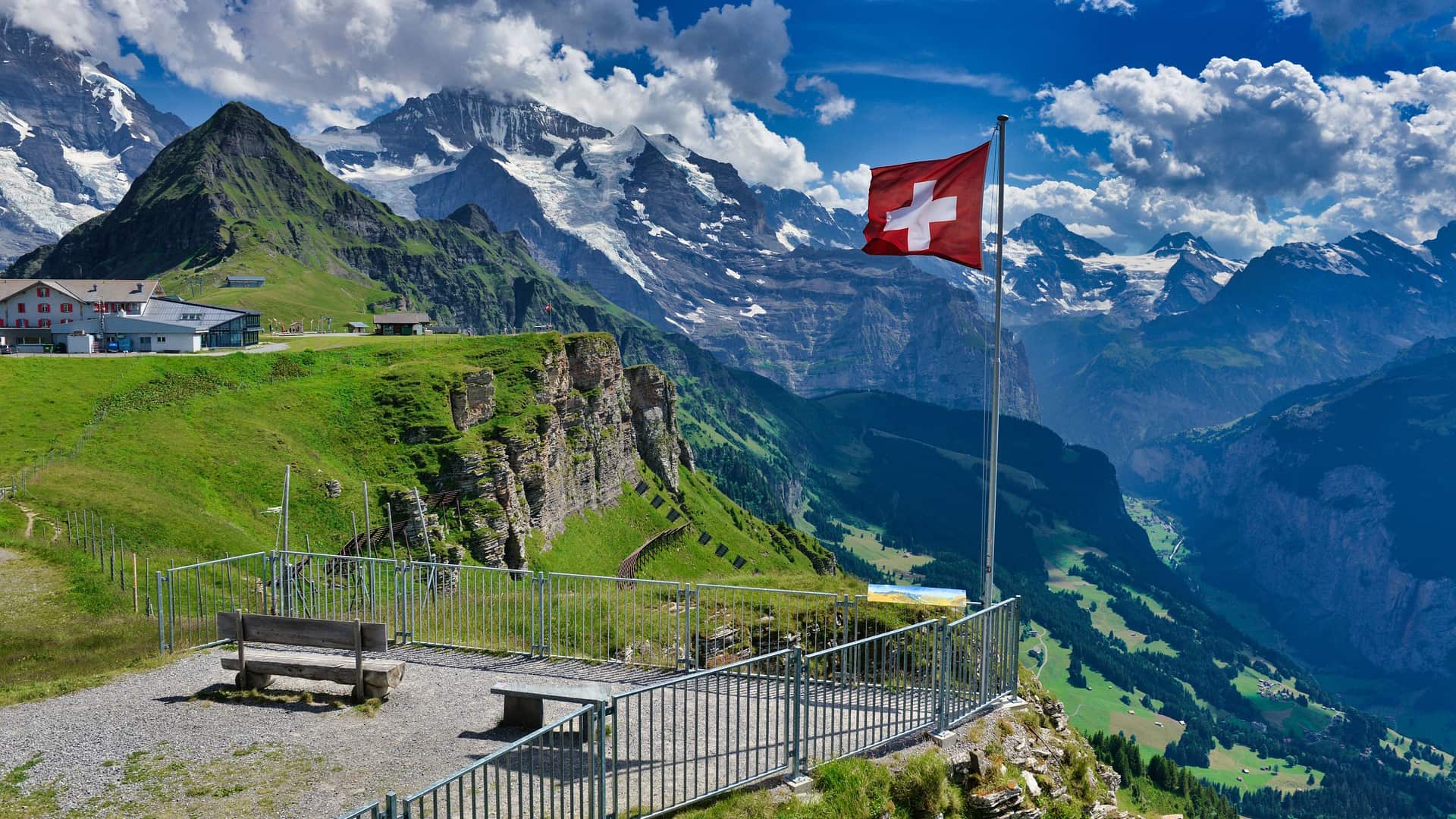
For a first visit combining mountains, lakes and sightseeing, June and September are excellent starting points. June brings long evenings and green landscapes; September often offers a lovely balance of mountain access, comfortable walking weather and a quieter atmosphere.
Choose July and August if high mountain hiking and swimming are priorities. For snow activities, look towards January to March, with conditions depending on the resort and elevation. For Christmas markets, plan around late November and December, checking individual market dates before booking.
| What you want from your trip | When to consider visiting |
| A mix of mountains, lakes and cities | June or September |
| High alpine hiking | July to September, depending on snow and trail conditions |
| Swimming and lakeside afternoons | July and August; sometimes into September |
| Spring scenery and valley walks | April and May |
| Autumn colours and seasonal food | Late September and October |
| Skiing and winter activities | January to March; some higher resorts have longer seasons |
| Christmas markets and festive atmosphere | Late November to December, depending on the market |
Spring in Switzerland: March to May
Spring brings a quieter side of Switzerland, with fresh landscapes, longer days and often better deals on flights and accommodation. In a country where your holiday budget can disappear surprisingly quickly, travelling outside the busiest periods has its advantages. There’s also a little more breathing room at popular sights.
From March to May, spring gradually adds colour to Switzerland. Crocuses and daffodils emerge in gardens and lower meadows, magnolias open their pink and white flowers, and cherry trees burst into blossom. Higher in the mountains, spring arrives later, with wildflowers appearing as the snow melts.
March can still feel distinctly wintry, particularly in the mountains. Lower towns may have chilly, wet days and temperatures that drop below freezing overnight, while higher resorts often retain good skiing conditions. Longer daylight hours make it an appealing time to enjoy the slopes, although crowds and prices depend on school holidays and Easter dates.
The main thing to watch is the transition between winter and summer operations. Some mountain lifts and cable cars close for maintenance during spring, and higher hiking trails can remain snow-covered well into May or June. If a particular summit or walk is on your wish list, check its opening dates before planning your trip around it.
Weather: Expect changeable conditions. A warm afternoon can be followed by a cold, wet day, and higher elevations remain much colder. Winter conditions can briefly return in April, while mid to end May can sometimes feel summery.
What to check: Mountain railway timetables, maintenance closures and trail conditions. An operating cable car does not necessarily mean the hiking trails at the top are clear of snow.
Summer in Switzerland: June to August
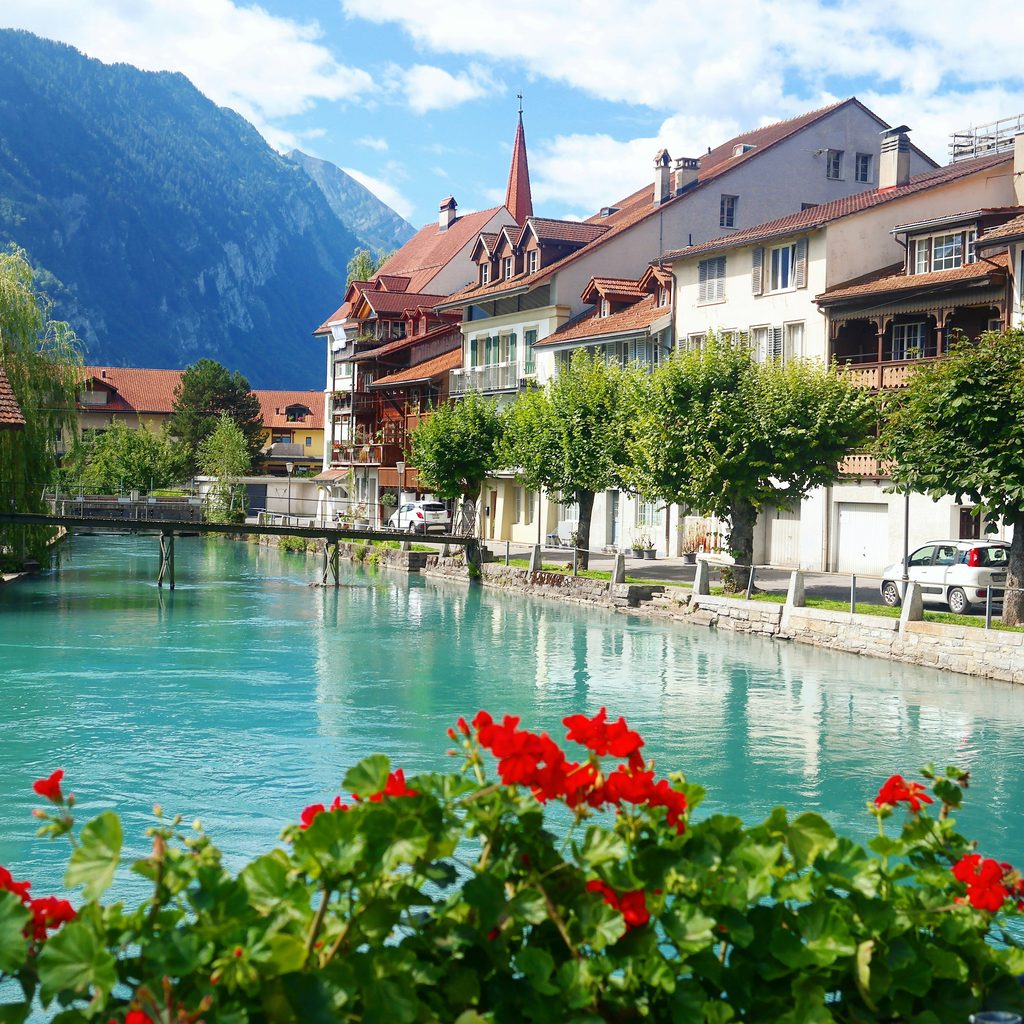
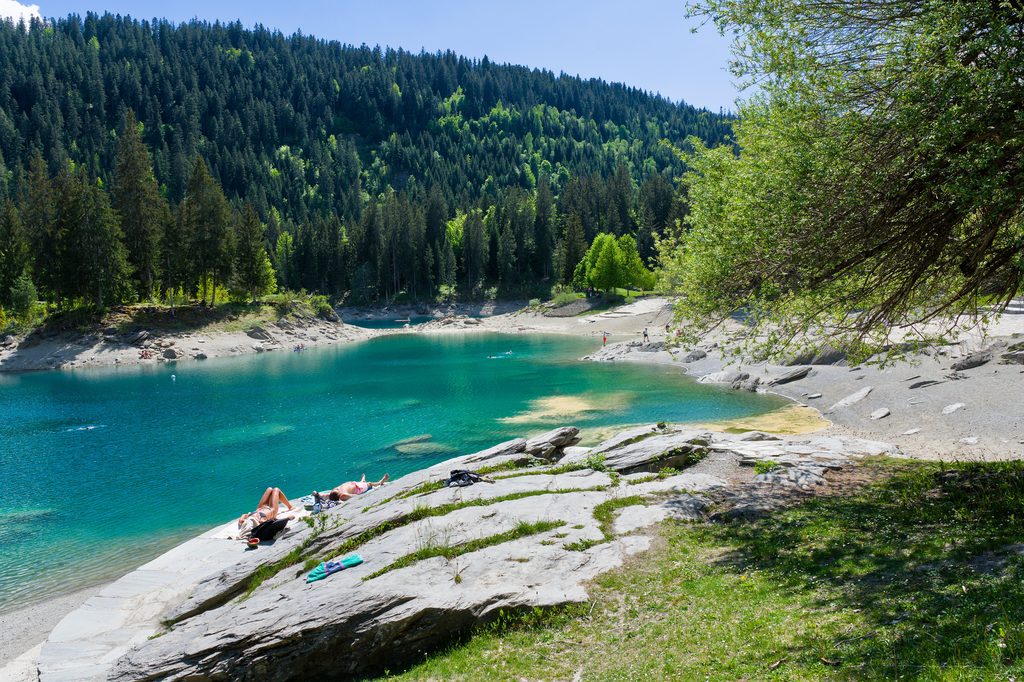
Summer is the season for getting outside. Hiking, lake swimming, boat cruises and 10pm sunsets. June through August are one of the two peak seasons in Switzerland. The weather is warm, the hiking trails are open and the lakes are the perfect temperature for boating and swimming. It also offers the broadest range of outdoor experiences, making it a popular choice for a first Swiss holiday.
June is a lovely month for combining sightseeing with outdoor activities. The countryside is green, the days are long and you can often enjoy the lakes and lower mountain trails before the busiest school holiday weeks. Higher hiking routes may still have snow, particularly earlier in the month.
July and August will give you the fullest summer experience. For high mountain hiking, swimming and a wide choice of seasonal excursions, July and August are strong options. Spend a morning in the mountains, stop for lunch on a terrace and finish with a dip in the lake. This is Switzerland’s summer rhythm, and it is very easy to get used to.
These months also suit road trips that include high mountain passes. Routes such as the Furka and Grimsel do have seasonal closures, so always check before heading out. Travelling during the Swiss summer and want to avoid crowds at famous attractions? It’s best to visit early in the morning or late afternoon. mid-July to mid-August as a particularly high-demand window because of school holidays. Book sought-after hotels and reserved scenic train journeys well ahead.
On August 1, Switzerland celebrates Swiss National Day, with festivities across the country, traditional Swiss brunch and fireworks to end the day.
Weather: Daytime temperatures fall around 18–28°C, although hotter days can reach above 30°C. The mountains are cooler, and rain or thunderstorms can appear, even a sunny week. Pack layers and a waterproof jacket alongside your swimwear.
What to check: Trail conditions and mountain forecasts. For longer hikes, start early and leave enough time to return before the last lift or train.
Autumn in Switzerland: September to November
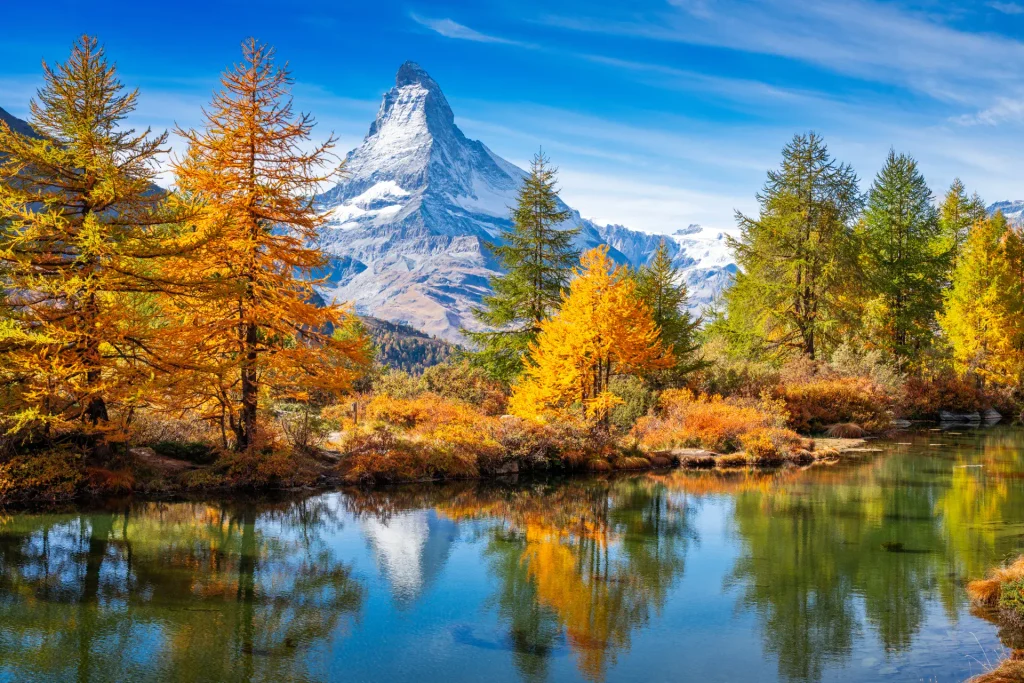
Autumn deserves more attention than it gets. The summer rush begins to ease, vineyards change colour and the beautiful autumn foliage adds the stunning landscapes. But September and November offer quite different experiences, so it pays to choose carefully.
September is an excellent all-round choice For a holiday combining mountains, lakes and towns, September is one of our favourite months. It’s the beginning of the shoulder season in Switzerland, so accomodation prices are more reasonable and you won’t be met with overcrowded attractions.
Many summer excursions are still operating, and there can be excellent opportunities for hiking. The days are shorter than in June, but you can still fit plenty into them without feeling the need to rush. The weather is still quite warm, even into the evenings, but the lakes may be a little too cold for a dip.
It is also a good time to look for an Alpabzug, the traditional return of cattle from their summer pastures. Decorated cows, enormous bells and local celebrations make these a memorable glimpse of Swiss rural life. Dates vary by village, with events taking place from late August into October.
October brings autumn colour to forests and vineyards. It is a wonderful month for scenic drives, lower-level walks and seasonal dishes, featuring mushrooms, chestnuts, pumpkin and game dishes. Although the days get shorter, they are still long enough to enjoy many day time activities before the sun sets. From around mid-October, snowy backdrops appear from the cities as the weather begins to cool and the start of snowfall begins.
The important thing to know is that mountain access can now be limited. Some summer railways, cable cars and lifts finish their season during October, while others close temporarily for maintenance. Early October can offer a different range of excursions from the end of the month. Daylight saving in Switzerland ends on the last Sunday in October.
November can be a tricky month to visit Switzerland. Autumn is winding down, the weather often turns cold and wet, and many mountain attractions take a break before the winter season begins. It’s generally too late for high mountain hiking and too early for skiing, so if outdoor adventures are your priority, another month may suit you better.
But if you’re happy exploring museums, wandering old towns and settling into cosy restaurants, you can enjoy a quieter trip, often with better deals on flights and accommodation. Keep your plans flexible and leave a little room for a long lunch.
Mountain access does not disappear altogether. Rigi, for example, offers access throughout the year, while individual routes and connections follow their own timetables. Mountains may be sunny above the cloud, but always check the summit webcam and forecast before setting off.
Weather: September can still bring warm afternoons, followed by cool evenings. October becomes noticeably cooler, while November often feels wintry. Early snowfall can affect higher trails before the ski season begins.
What to check: The operating dates of every mountain excursion that matters to you. Pilatus, for example, has seasonal railway operations and maintenance periods, so the route available in summer may differ from the route available during your autumn visit.
Winter in Switzerland: December to February
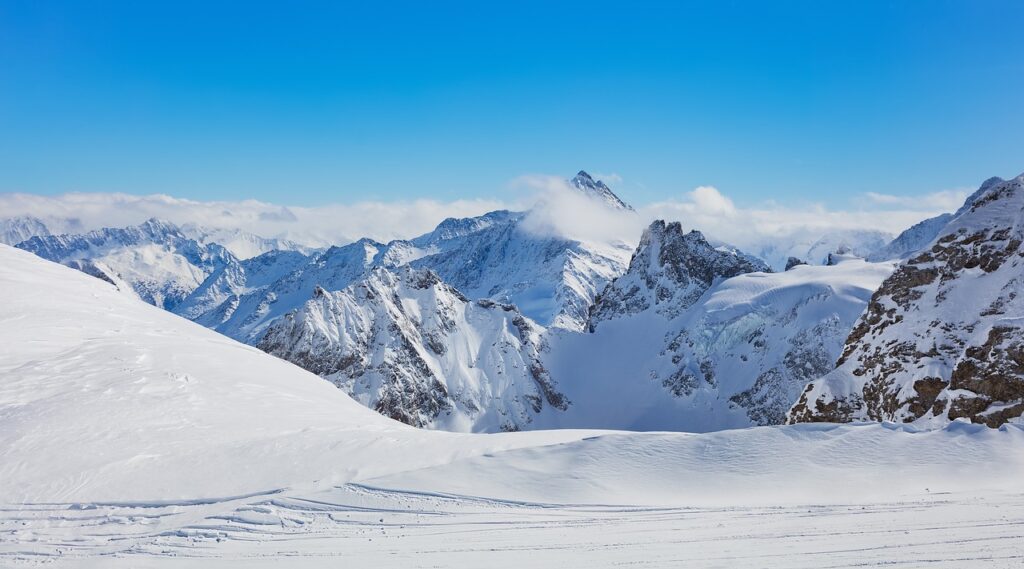
Winter brings a different vibe and scenery to a Swiss holiday. Snowy mountain scenery, Christmas markets, skiing and cosy alpine experiences. And you don’t need to ski to enjoy it. Winter walking, sledding, scenic rail journeys and mountain lunches can fill a holiday quite happily.
The weather in December is officially cold and wet with grey skies for most days. December is the month for Christmas lights, market stalls and the smell of mulled wine drifting through old town streets.
Lucerne makes a beautiful festive base, with Christmas markets and Advent events adding atmosphere to the lakeside city. But each city brings their own version of Christmas joy, so check the schedules for each place and keep in mind that the markets tend to finish the day before Christmas.
For snow, plan to spend time at in the mountains. Unfortunately, a white Christmas isn’t guaranteed everywhere in Switzerland. A December visit does not guarantee snowy streets in Lucerne or Zürich, and early-season skiing depends on conditions and the resort. So if snowy scenery is high on your wish list, choose a higher-altitude Alpine resort and book early, especially for Christmas and New Year.
January brings a slower start to the year. After the Christmas and New Year holiday period, this month can suit travellers looking for a quieter winter escape outside busy weekends and events. By January, winter is in full swing in Switzerland. Days are cold, with temperatures often hovering around freezing in the lower towns and dropping further in the mountains.
February is popular for snow sports, with school holidays bringing strong demand in mountain resorts. February brings longer days and a little more time to enjoy the slopes and is popular for skiing and snowboarding.
It can also bring a very different side of Switzerland: carnival. Lucerne’s Fasnacht fills the city with costumes, music and celebrations, with dates falling in February or March depending on the year. It is a brilliant experience if you want to join the festivities—and worth checking before booking if your idea of a holiday involves an early night.
Weather: In the lowlands, winter daytime temperatures average roughly −2 to 7°C. Mountain conditions are colder and can change quickly. Snow cover depends heavily on elevation and recent weather.
What to check: Snow conditions, winter activity openings and transport schedules. Use designated winter walking routes rather than assuming a summer hiking path will be suitable. Pack plenty of warm clothes.
When is the cheapest time to visit Switzerland?
There is no single cheapest month across the whole country.
Prices depend on the destination, local events, school holidays and whether you are staying in a city, lakeside town or ski resort. A quiet week in Lucerne might coincide with peak prices in the mountains.
For better value, compare dates in April, May, late October and November, avoiding major holidays and events. Also look at dates immediately outside the busiest summer and winter weeks.
A few useful tips:
- Check what is open before booking a bargain. A lower room rate is less useful if your must-do excursions are closed.
- Compare the total trip cost. A convenient base can reduce transfers and help you make better use of each day.
- Price transport passes against your actual itinerary. Their value depends on the journeys and mountain excursions you plan to take.
- Book early for fixed travel dates. This matters especially during school holidays and festive periods
Questions to ask before choosing your dates
The best time to visit Switzerland depends on what you want from your holiday—and when you can get away. Before booking, ask yourself:
- What would you love to do? Hiking, skiing, lake swimming and Christmas markets each have their season.
- How flexible are your dates? Work commitments and school holidays may narrow your options.
- Is budget a deciding factor? Comparing a few different dates could help you save on flights and accommodation.
- Is there an event you’d love to experience? Check its dates before planning the rest of your trip.
- Are any attractions on your must-see list? Mountain railways, trails and other seasonal experiences may be closed during your visit.
So, which season would we choose?
For a first visit with a little of everything, we would start by looking at June or September. For high mountain adventures and lake swimming, consider July and August. For snow and alpine winter experiences, look towards January to March, while December is a lovely choice for festive atmosphere.
Spring and late autumn suit travellers who enjoy a slower pace and are happy to let the season shape the itinerary.
The best Swiss holiday starts with what you want to experience. At Riccardi Travel, we design private journeys around those moments—whether that means a summer afternoon beside a hidden lake, a golden autumn drive or fondue after a snowy mountain walk, we are here to help you plan your dream holiday.